
fire proof glass panels
The Role of Gate Valves in Plumbing Systems Gate valves are essential components in plumbing systems, serving the crucial purpose of controlling the flow of fluids in pipelines. These valves are designed to either allow or block the passage of water, making them fundamental to the efficient operation of residential, commercial, and industrial plumbing installations. Understanding gate valves, their types, and their applications can help homeowners and plumbing professionals alike make informed decisions regarding their plumbing systems. What is a Gate Valve? A gate valve is a type of linear valve that operates by raising or lowering a gate (or wedge) within the valve body. This mechanism allows for full flow when the valve is open and complete blockage when closed. Gate valves are typically used in applications where minimal pressure drop and low turbulence in the pipeline are required, making them ideal for on/off service rather than flow regulation. Types of Gate Valves There are several types of gate valves used in plumbing systems, each designed for specific applications 1. Rising Stem Gate Valves In these valves, the stem rises as the valve opens, making it easy to visually indicate the valve’s position. This type is commonly used in water supply lines. 2. Non-Rising Stem Gate Valves Ideal for installations with limited vertical space, these valves feature a stem that turns without rising, making them a practical choice for underground or confined spaces. 3. Wedge Gate Valves These valves use a wedge-shaped gate that fits tightly against the valve seat when closed, creating a seal that minimizes leaks. They are widely used in water and sewage applications. 4. Parallel Gate Valves Utilizing a parallel plate, these valves offer minimal throttling when partially open. They are often found in larger pipelines where precise flow control is necessary. Advantages of Gate Valves Gate valves offer several advantages that make them a popular choice in plumbing systems - Low Resistance to Flow When fully open, gate valves provide a straight-line flow path, resulting in minimal pressure drop. This is particularly beneficial in large diameter pipes where high flow rates are required. gate valve in plumbing - Durability Gate valves are known for their robust construction, which can effectively withstand high pressure and temperature variations, making them suitable for various applications. - Simplicity The design of gate valves is straightforward, consisting mostly of a body, gate, stem, and a handle. This simplicity translates into easy operation and maintenance. - Cost-Effective Generally, gate valves are less expensive than other types of valves, especially when high volume flow control is required without pressure regulation. Limitations of Gate Valves Despite their advantages, gate valves do come with certain limitations. They are not ideal for applications requiring frequent adjustments to flow. For example, if you need to throttle or control the flow rate, a globe valve might be a better option. Additionally, due to the design, gate valves can be susceptible to wear and tear over time, especially if they are not regularly operated. Applications of Gate Valves Gate valves find their applications in various areas - Water Supply Systems Used to control the flow of water from municipal sources to individual homes or businesses. - Fire Protection Systems Critical in controlling water flow for fire suppression systems, ensuring that water can be quickly accessible when needed. - Industrial Applications Utilized in manufacturing plants, chemical processing, and oil and gas operations where large flows of liquid need to be managed. Conclusion In conclusion, gate valves play a pivotal role in plumbing systems by providing reliable and efficient control of fluid flow. Their robust design, simplicity, and effectiveness in minimizing pressure loss make them a preferred choice in many applications. However, understanding their limitations and suitable uses is essential for optimal plumbing performance. As plumbing technology advances, gate valves continue to adapt, ensuring their relevance in modern piping systems while contributing to improved efficiency and reliability.
about
fire proof glass panels
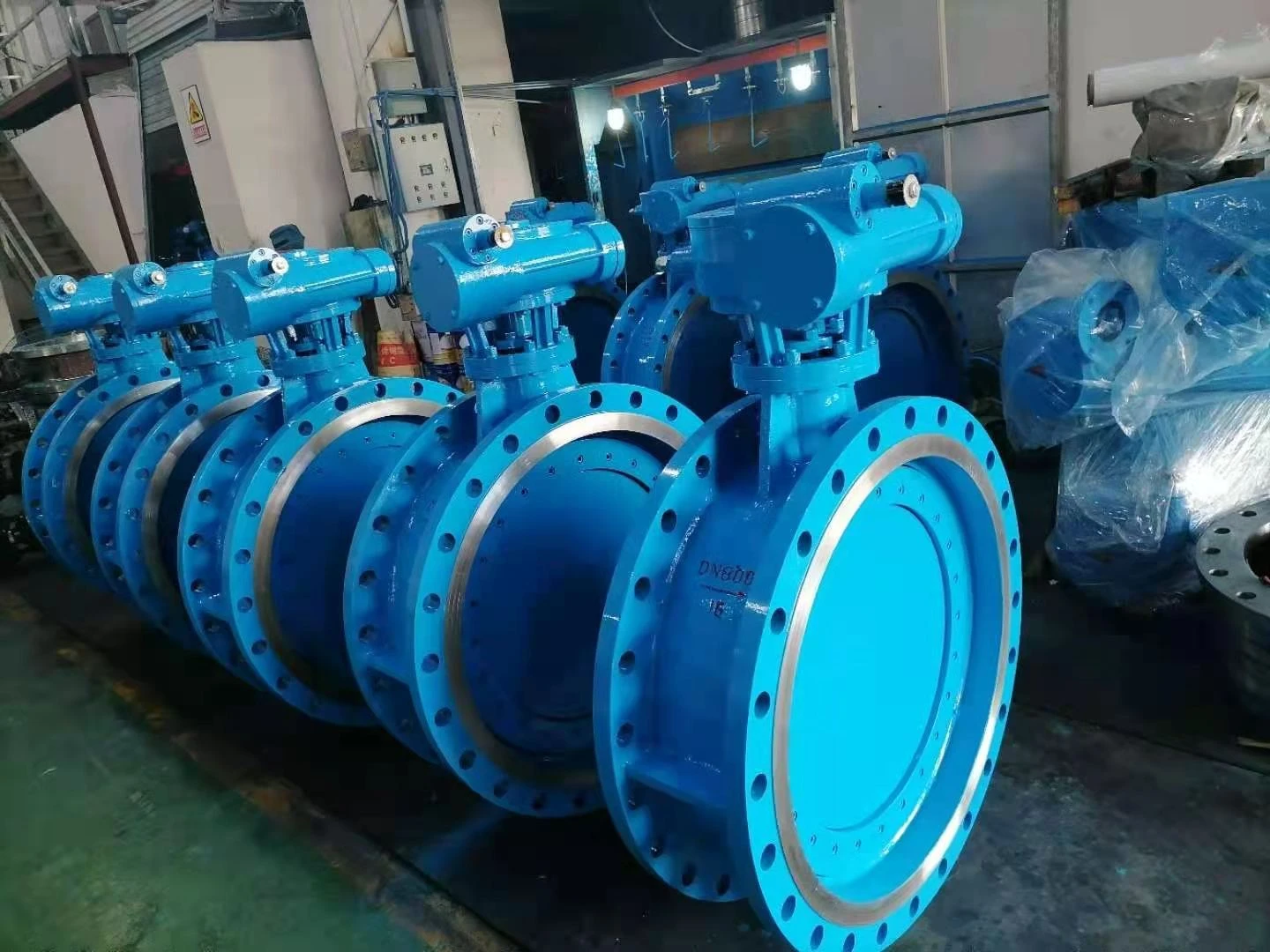
The Importance of Valve Manufacturers in Modern Industrial Applications Valves play a crucial role in various industrial processes, acting as essential components for controlling the flow and pressure of liquids and gases. As industries continue to evolve, the demand for high-quality, reliable valve solutions has propelled valve manufacturers into a central position in the global market. This article explores the significance of valve manufacturers, their innovations, and the impact they have on various sectors. Valve manufacturers produce a wide range of products, including gate valves, ball valves, butterfly valves, and check valves, each designed for specific applications. These valves are integral to systems in oil and gas, water treatment, pharmaceuticals, and food processing, among others. Their primary function is to regulate flow, ensuring efficiency, safety, and compliance with industry standards. Manufacturers are tasked not only with producing durable and reliable products but also with developing advanced technologies to meet the changing needs of industries. One of the significant trends in valve manufacturing is the integration of automation. As the push for greater efficiency and precision increases, manufacturers are investing in automated valve systems that can be controlled remotely. These smart valves can adapt to changes in pressure and flow, providing real-time data for operators. This innovation not only enhances efficiency but also minimizes risks associated with human error, making industrial processes safer. valve manufacturer Moreover, sustainability has become a key focus for valve manufacturers. As industries aim to reduce their environmental impact, manufacturers are designing valves that are more energy-efficient and made from sustainable materials . The use of advanced materials, such as high-performance plastics and alloys, contributes to the longevity and reliability of valves while also reducing their overall carbon footprint. This shift not only benefits the environment but also meets the growing consumer demand for responsible sourcing and manufacturing practices. Quality control is paramount in valve manufacturing. Ensuring that each valve meets rigorous industry standards is essential for safety and performance. Manufacturers utilize advanced testing techniques and quality assurance protocols to identify any potential issues before the product reaches the market. This commitment to quality not only protects the end-users but also helps manufacturers build a solid reputation in an increasingly competitive landscape. Furthermore, the global nature of today's markets means that valve manufacturers must navigate a complex array of regulations and certifications. Compliance with international standards such as ISO, API, and ANSI is critical, as these certifications are often required for global trade in valves. Manufacturers must stay informed and agile to adapt to these regulations, which can vary significantly by region. In conclusion, valve manufacturers are fundamental players in the industrial sector, driving innovation, ensuring safety, and promoting sustainability. As industries face new challenges, the role of these manufacturers will only continue to grow. By embracing technological advancements and adhering to stringent quality standards, valve manufacturers will not only meet the needs of today but also pave the way for a more efficient and sustainable industrial future. Their contributions are pivotal in shaping the landscape of modern manufacturing and industrial processes, underscoring their importance in the global economy.
-

High quality industrial productsagement

High quality industrial products
View Details -

Meet the diverse needs of customers

Meet the diverse needs of customers
View Details -

Strict quality control

Strict quality control
View Details -

Top raw materials

Top raw materials
View Details -

Trusted supplier

Trusted supplier
View Details
Our application


news and information
Welding Station Design for Enhanced Efficiency and Precision
The Importance of a Welding Workbench in Fabrication Welding is a crucial process in various industr
Versatile Wood Connection Brackets for Enhanced Structural Support and Easy Assembly Solutions
The Versatility of Wood Connector Brackets in DIY Projects Wood connector brackets are essential com
Valve de 3 pouces
La Vanne à Papillon de 3 Pouces Un Élément Clé dans la Gestion des Fluides Dans l'univers de la plo
 English